.svg)

You open your closet.
You stare.
Nothing jumps out.
If you’ve ever searched “what to wear when you have nothing to wear” or “easy outfit ideas for everyday,” this is exactly what you’re looking for.
Here’s the truth:
You don’t need more clothes. You need better defaults.
What to Wear When You Don’t Know What to Wear (Quick Answer)
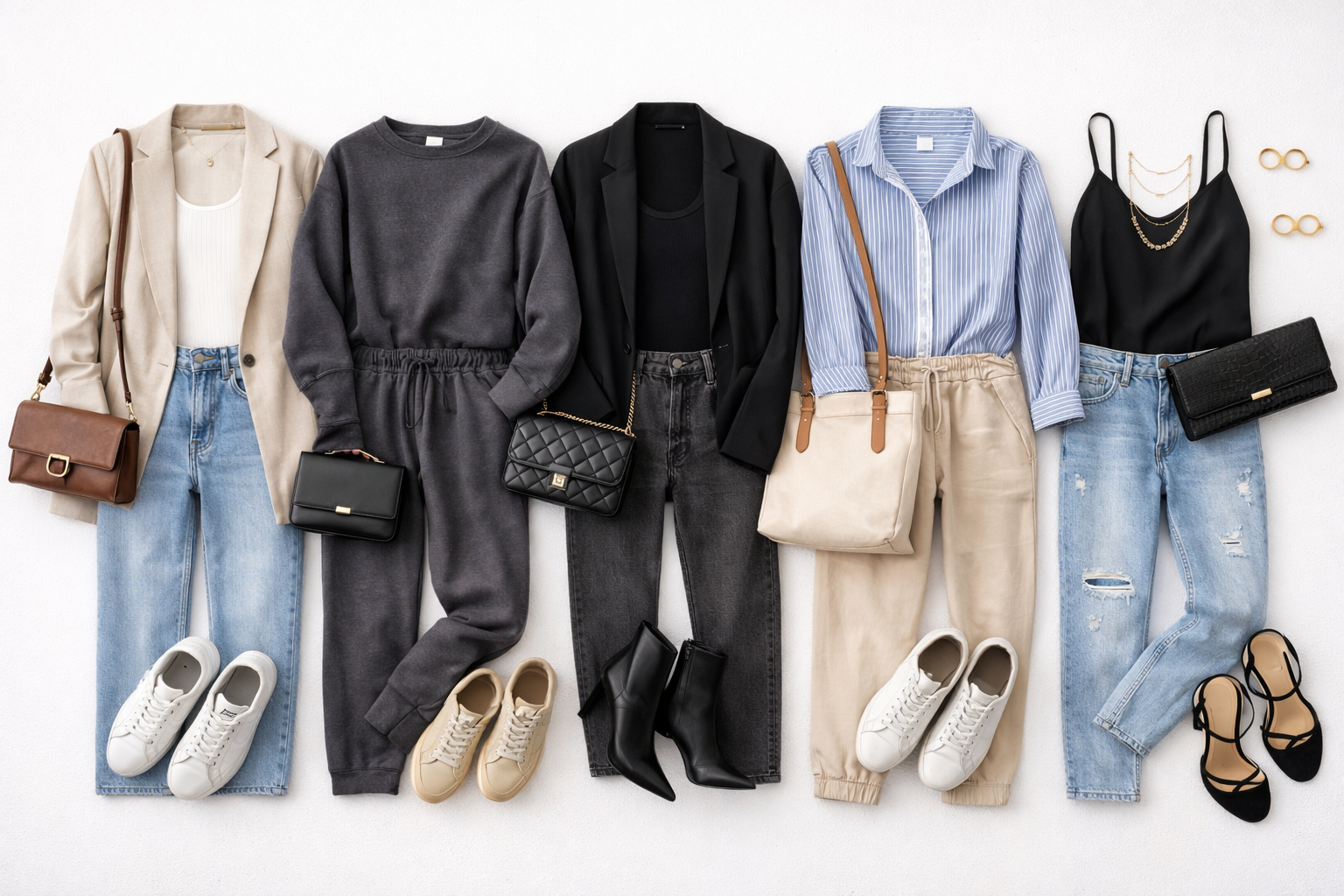
When you don’t know what to wear, default to one of these 5 outfit formulas:
- A jeans + structured jacket outfit
- A monochrome (same-color) outfit
- A dark, polished base outfit
- A casual but structured everyday look
- A simple night-out outfit with one standout piece
These are reliable outfit formulas you can repeat and adjust so getting dressed becomes fast and effortless.
Why You Need Default Outfit Formulas
Most people rely on decisions every morning. That’s the problem.
Default outfits work because they:
- reduce decision fatigue
- make your style more consistent
- help you get dressed faster
Think of these as your go-to outfit formulas, not one-time outfits, but systems you can reuse.
1. The Effortless but Put-Together Outfit
Wear this when: you want to look polished without trying too hard
Outfit formula:
- Well-fitting jeans or trousers
- Simple top (tee, knit, or shirt)
- Structured layer (blazer, jacket, or overshirt)
- Clean shoes (sneakers, loafers, or boots)
Why it works:
Structure on top instantly makes simple outfits look intentional
Quick fix:
Swap sneakers → loafers or boots for a sharper look
2. The Low-Energy, Still Sharp Outfit
Wear this when: you don’t feel like trying but still want to look put-together
Outfit formula:
- Matching or tonal pieces (same color family)
- Relaxed but clean silhouette
- Minimal shoes
Why it works:
Monochrome outfits automatically look coordinated
Quick fix:
Add one contrasting texture (denim, leather, knit)
3. The Last-Minute Outfit That Always Works
Wear this when: you need to leave quickly and don’t have time to think
Outfit formula:
- Darker base (black, navy, or charcoal)
- Elevated top (button-down, polo, or refined knit)
- Versatile shoes (boots, loafers, or minimal sneakers)
Why it works:
Darker colors instantly read more polished
Quick fix:
Add a jacket or watch to finish the look
4. The Casual but Not Sloppy Outfit
Wear this when: you want comfort without looking thrown together
Outfit formula:
- Clean jeans, chinos, or tailored joggers
- Fitted or structured top
- Intentional shoes (not worn-out sneakers)
Why it works:
You keep comfort, but remove the chaos
Quick fix:
Swap a hoodie → structured sweatshirt or lightweight jacket
5. The Easy Going-Out Outfit
Wear this when: you want to look good at night without overthinking it
Outfit formula:
- Dark or neutral base
- Slightly sharper silhouette
- One standout element (texture, color, or fit)
Why it works:
Simple outfits with one focal point feel intentional
Quick fix:
Focus on fit and shoes - this is where most outfits succeed or fail
How to Build Your Own Go-To Outfits
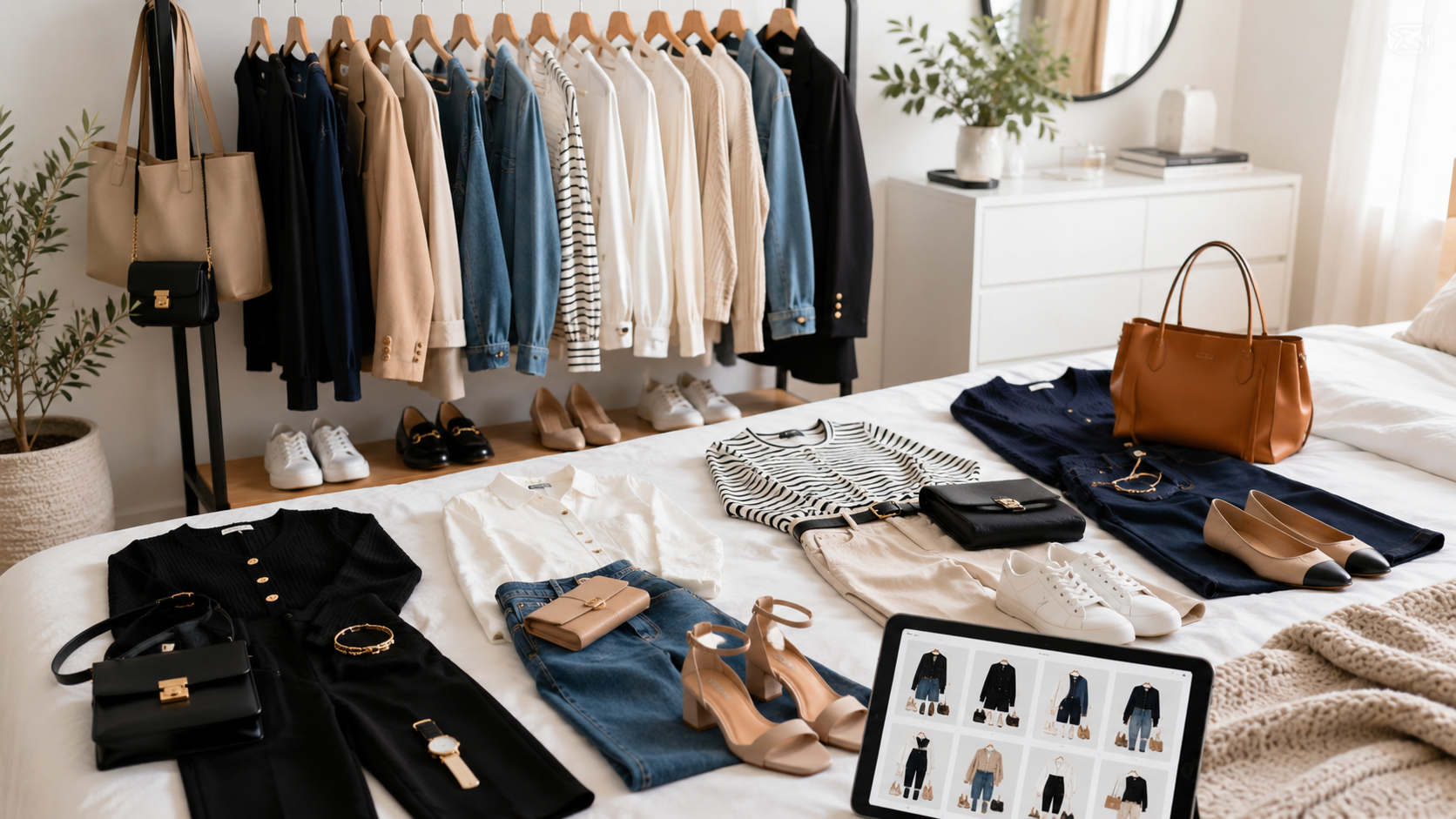
Don’t just read this; set yourself up once so you don’t have to think every day.
- Pick one version of each outfit formula
- Use pieces you already own
- Save them (mentally or in your wardrobe app)
- Wear and refine
If your wardrobe still feels chaotic, start by organizing it by outfit instead of category and build your defaults from there.
The Shift That Makes Getting Dressed Easy
When you don’t know what to wear, the goal isn’t creativity.
It’s clarity.
Once you have a few default outfit formulas, you stop second-guessing yourself because you already know what works.
If getting dressed still feels harder than it should, start here.
Build your defaults. Then build from them.
That’s how style becomes effortless.