.svg)

Summer has a way of making your calendar look very glamorous and your closet look personally attacked.
Suddenly there’s a wedding. Then a graduation party. Then a rooftop dinner. Then a birthday brunch. Then a baby shower. Then a work event with the deeply unhelpful dress code “summer chic.”
And somehow, every invite seems to whisper the same dangerous little sentence:
You need something new.
Except… you probably don’t.
Most summer events do not require a brand-new outfit. They require the right combination of pieces, the right level of polish, and a few styling tweaks that make what you already own feel fresh, intentional, and appropriate for the occasion.
This guide will help you figure out what to wear to summer events without buying a new outfit every time, whether you’re dressing for weddings, parties, dinners, showers, graduations, work events, or anything else that requires you to look like you made an effort but are still emotionally available to enjoy the day.
Quick Answer: How Do You Dress for Summer Events Without Buying New Clothes?
To dress for summer events without buying a new outfit, start by identifying the event’s dress code, location, weather, and level of formality. Then build from versatile pieces you already own, such as a dress, trousers, skirt, jumpsuit, linen shirt, blazer, sandals, or polished accessories. Change the shoes, jewelry, bag, layer, hairstyle, or color combination to make the same base outfit feel different for each event.
The goal is not to trick people into thinking you own endless clothes.
The goal is to use your wardrobe better.
Why Summer Events Make Us Feel Like We Need New Outfits
Summer events are particularly good at creating closet panic.
There are a few reasons:
- Events are often photographed.
- Dress codes can be vague.
- Warm weather limits layering.
- Outdoor venues create shoe and fabric problems.
- Multiple events may involve the same people.
- Social media makes rewearing feel more visible.
- Occasionwear can feel separate from everyday style.
But here’s the truth: most people are not tracking your outfit history with the intensity of a detective board. They are thinking about whether they’re overdressed, underdressed, too hot, hungry, or whether they remembered the gift.
Rewearing is normal. Restyling is smart. Panic-buying a dress you only sort of like because an invitation arrived is how closets become expensive storage units for one-night stands.
With clothes.
Step 1: Decode the Event Before Choosing the Outfit
Before pulling anything from your closet, define the event.
A summer wedding, backyard barbecue, work cocktail party, bridal shower, museum fundraiser, graduation lunch, and beach dinner all need different versions of “dressed up.”
Ask:
- What is the occasion?
- Is it indoors or outdoors?
- What time of day is it?
- Is there a dress code?
- Will I be standing, walking, sitting, dancing, or sweating heroically?
- Will I be on grass, sand, pavement, stairs, or a boat?
- Who will be there?
- How formal is the host or venue?
- Will there be photos?
- Can I comfortably wear this for several hours?
This step matters because “summer event outfit” is not specific enough. You are not dressing for the abstract concept of summer. You are dressing for a real place, real weather, and real chairs that may or may not be kind to short hemlines.
Step 2: Sort Your Events by Dress Code
The fastest way to stop overbuying is to understand the level of formality.
Most summer events fall into one of these categories.
Casual Summer Events
Examples:
- Backyard parties
- Casual birthdays
- Family cookouts
- Beach gatherings
- Daytime picnics
- Informal graduation parties
- Casual brunches
Good outfit ideas:
- Linen pants + tank + sandals
- Sundress + flat sandals
- Shorts + button-down shirt
- Midi skirt + tee + slides
- Lightweight trousers + sleeveless blouse
- Casual jumpsuit + sneakers or sandals
The key: comfortable, relaxed, but still intentional.
This is not necessarily the time for your “cleaning the apartment” tank top, unless the event is hosted by people who have seen you through things.
Smart Casual Summer Events
Examples:
- Dinner with friends
- Rooftop drinks
- Casual work gatherings
- Bridal or baby showers
- Museum evenings
- Nice brunches
- Family celebrations
Good outfit ideas:
- Midi dress + sandals
- Wide-leg trousers + blouse
- Skirt + knit top + flats
- Jumpsuit + earrings
- Linen shirt + tailored pants
- Blazer + tank + dressy jeans
The key: polished but not stiff.
Smart casual is where accessories, shoes, and fabric choice do a lot of the work.
Cocktail or Dressy Summer Events
Examples:
- Cocktail weddings
- Rehearsal dinners
- Evening parties
- Fundraisers
- Anniversary parties
- Dressier showers
- Work receptions
Good outfit ideas:
- Slip dress + heeled sandals
- Dressy jumpsuit + statement earrings
- Midi dress + clutch
- Tailored trousers + silk blouse
- Skirt + elevated top + heels or flats
- Lightweight suit + simple top
The key: dressier fabric, cleaner lines, and more polished accessories.
You do not need sequins unless sequins are your truth. But satin, silk, crepe, linen blends, polished cotton, and structured pieces can all feel event-ready.
Formal Summer Events
Examples:
- Black-tie optional weddings
- Formal evening weddings
- Galas
- Elegant dinners
- Religious or cultural ceremonies with formal expectations
Good outfit ideas:
- Long dress
- Formal midi dress
- Dressy jumpsuit
- Suit or tailored separates in elevated fabric
- Elegant skirt + formal top
- Polished accessories and evening shoes
The key: respect the dress code. This is the one category where your existing wardrobe may or may not have enough. But even here, check what you own before buying.
Sometimes the “new outfit” is actually an old dress with better shoes, a steamed hem, and the right jewelry.
Step 3: Build From a Base Outfit
The easiest way to avoid buying new clothes for every event is to create a few reliable base outfits.
A base outfit is the core of the look. You can change the mood with shoes, accessories, layers, hair, makeup, or styling.
Strong summer base outfits include:
- A simple midi dress
- A slip dress
- A sundress
- A jumpsuit
- Wide-leg trousers + top
- Skirt + blouse
- Linen pants + structured tank
- Dressy shorts + button-down
- Lightweight suit
- Simple dress + blazer
- Satin skirt + tee or blouse
Once you have the base, you can style it up, down, or sideways depending on the event.
For example:
Base: black midi dress
Casual event:
- Flat sandals
- Straw bag
- Sunglasses
- Simple hoops
Smart casual event:
- Leather sandals
- Belt
- Crossbody bag
- Gold jewelry
Cocktail event:
- Heeled sandals
- Clutch
- Statement earrings
- Sleek hair
Same dress. Three different outfits. Your closet just took a deep breath.
Step 4: Change the Shoes to Change the Outfit
Shoes are one of the fastest ways to change the formality of an outfit.
A simple dress with sneakers says casual. The same dress with flat leather sandals says polished daytime. The same dress with heeled sandals says event-ready.
Useful summer event shoes include:
- Flat leather sandals
- Dressy slides
- Block heels
- Wedges
- Slingbacks
- Loafers
- Ballet flats
- Minimal sneakers
- Heeled sandals
- Espadrilles
- Dress shoes
- Polished loafers
The shoe should match both the event and the ground beneath you. This is important.
Outdoor wedding on grass? Block heels, wedges, or flats.
Rooftop dinner? Heeled sandals or polished flats.
Beach party? Flat sandals or dressy slides.
Work event? Loafers, slingbacks, or simple sandals.
Graduation on campus? Comfortable shoes that can handle walking.
Do not wear shoes that turn the event into a survival challenge. You are attending, not auditioning for a documentary called Blisters: A Cautionary Tale.
Step 5: Use Accessories to Make Rewearing Feel Intentional
Accessories are the secret weapon of event dressing because they take up little space, cost nothing if you already own them, and can change the whole mood of an outfit.
Try changing:
- Earrings
- Necklace
- Bracelet
- Watch
- Belt
- Scarf
- Bag
- Sunglasses
- Hair clip
- Hat
- Shoes
Example:
Base outfit: white linen dress
For a daytime shower:
- Tan sandals
- Woven bag
- Pearl or gold earrings
For a dinner:
- Black sandals
- Black clutch
- Bold earrings
For vacation:
- Flat slides
- Straw hat
- Colorful scarf
Same dress. Different story.
Step 6: Add or Remove Structure
Structure is what makes an outfit feel more polished.
In summer, this can be tricky because the weather is often rude. But you can add structure without overheating.
Try:
- A lightweight blazer
- Linen vest
- Button-down shirt worn open
- Structured bag
- Belt
- Crisp collar
- Tailored trousers
- Dressy shorts
- Sleek sandals
- Polished sunglasses
- Neat hairstyle
A simple tank and linen pants can feel casual. Add a belt, structured bag, and polished sandals, and suddenly it looks like an outfit instead of “laundry but breezy.”
Structure is especially helpful for work events, dinners, showers, and any occasion where you want to look pulled together without feeling overdressed.
Step 7: Create a Color Strategy
Color is one of the easiest ways to make old pieces feel fresh.
You can change the entire mood of an outfit by adjusting the color story.
Try these formulas:
Monochrome
Wear one color or one color family head to toe.
Examples:
- All white
- All black
- Cream and beige
- Navy and pale blue
- Olive and sage
- Brown and tan
Monochrome outfits often look polished because they feel intentional.
Neutral Base + One Accent
Start with simple neutrals, then add one color.
Examples:
- Black dress + red sandals
- White trousers + navy top + coral earrings
- Cream skirt + tan sandals + green bag
- Denim + white shirt + yellow scarf
This is a great way to make a repeated outfit feel new.
Tonal Dressing
Wear different shades from the same family.
Examples:
- Blush + rose + burgundy
- Ivory + camel + tan
- Pale blue + denim + navy
- Sage + olive + cream
Tonal dressing looks thoughtful without requiring much effort. We love a low-effort high-reward situation.
Print as the Connector
Use a print to tie colors together.
Examples:
- Floral skirt + top in one color from the print
- Printed scarf + simple dress
- Striped shirt + neutral trousers
- Patterned dress + accessories that repeat one shade
Prints are useful because they make rewearing less obvious and more memorable in the right way.
Step 8: Make One Piece the Star
A summer event outfit does not need every piece to be interesting.
In fact, outfits often look more polished when only one element leads.
Your star piece could be:
- A printed dress
- Statement earrings
- Bright shoes
- A great bag
- A bold lip
- A colorful scarf
- A dramatic sleeve
- A beautiful skirt
- A sharp blazer
- A standout necklace
Then keep the rest simple.
This helps your outfit feel styled instead of crowded.
If your dress is loud, keep the accessories simple. If your jewelry is bold, choose a cleaner neckline. If your shoes are the moment, let them have their little main-character arc.
Step 9: Use Layers Strategically
Even summer events often need a layer.
You may be dealing with:
- Over-air-conditioned restaurants
- Evening temperature drops
- Religious venues
- Office settings
- Sun exposure
- Wind
- Mosquitoes, because apparently nature had notes
Good summer layers include:
- Lightweight blazer
- Linen shirt
- Cotton cardigan
- Silk scarf or wrap
- Denim jacket
- Cropped jacket
- Lightweight trench
- Kimono-style layer
- Open button-down shirt
- Fine-knit sweater
Choose a layer that complements the outfit instead of looking like you grabbed it from the backseat at the last second.
For dressier events, a scarf, wrap, blazer, or cropped jacket usually looks more polished than a casual cardigan. For casual events, a denim jacket or linen shirt can be perfect.
Step 10: Rewear the Same Piece Without Looking Like You Repeated the Outfit
Let’s say you have one great summer dress. You love it. It fits. It photographs well. It does not require emotional negotiation.
Wear it again.
Here’s how to make it feel different.
Change the Shoes
- Sneakers = casual
- Flat sandals = daytime
- Heeled sandals = dressy
- Loafers = polished
- Espadrilles = summer party
Change the Bag
- Tote = casual
- Crossbody = easy daytime
- Clutch = evening
- Woven bag = summer
- Structured bag = polished
Change the Jewelry
- Hoops = easy
- Pearls = classic
- Statement earrings = event-ready
- Minimal jewelry = modern
- Colorful jewelry = playful
Change the Layer
- Denim jacket = relaxed
- Blazer = polished
- Wrap = dressy
- Linen shirt = casual summer
- Cropped cardigan = softer
Change the Styling
- Belt it
- Leave it loose
- Add a scarf
- Change your hair
- Roll sleeves
- Open a neckline
- Add a bold lip
- Switch from flats to heels
No one needs to know this is the same base outfit unless you tell them, which you should feel free to do proudly because using your clothes well is not a scandal.
Summer Event Outfit Ideas From Clothes You Already Own
Here are practical outfit formulas you can build from your wardrobe.
Outfit Formula 1: The Dress That Does Everything
Wear:
- Simple midi dress
- Flat or heeled sandals
- Earrings
- Small bag
- Optional layer
Best for:
- Showers
- Graduation parties
- Dinners
- Casual weddings
- Work events
- Brunches
How to change it:
- Add a blazer for polish
- Add a scarf for color
- Switch sandals for heels
- Add a belt for shape
- Change jewelry for a dressier mood
Outfit Formula 2: Trousers + Pretty Top
Wear:
- Wide-leg trousers or tailored pants
- Blouse, tank, or button-down
- Sandals, flats, or loafers
- Belt
- Jewelry
Best for:
- Work events
- Dinners
- Showers
- Rooftop parties
- Family celebrations
How to change it:
- Swap the blouse for a silk cami
- Add a blazer
- Wear heeled sandals
- Change to statement earrings
- Use a clutch instead of a tote
Outfit Formula 3: Skirt + Simple Top
Wear:
- Midi skirt
- Tee, tank, blouse, or knit top
- Sandals or flats
- Earrings
- Bag
Best for:
- Daytime events
- Brunches
- Casual parties
- Showers
- Vacation dinners
How to change it:
- Tuck the top
- Add a belt
- Add a lightweight jacket
- Change shoes
- Add a necklace or scarf
Outfit Formula 4: Jumpsuit + Accessories
Wear:
- Jumpsuit
- Sandals or heels
- Earrings
- Clutch or small bag
- Optional blazer
Best for:
- Cocktail events
- Dinners
- Weddings
- Work parties
- Birthday celebrations
How to change it:
- Add a belt
- Wear a blazer
- Swap flats for heels
- Change jewelry
- Add a scarf or wrap
Outfit Formula 5: Linen Pants + Polished Top
Wear:
- Linen or cotton pants
- Structured tank, blouse, or shirt
- Leather sandals
- Sunglasses
- Woven or structured bag
Best for:
- Outdoor parties
- Vacation events
- Casual dinners
- Daytime gatherings
- Beach-adjacent events
How to change it:
- Add a crisp button-down
- Add gold or silver jewelry
- Choose dressier sandals
- Swap tote for a smaller bag
- Wear a belt
Outfit Formula 6: Dressy Shorts + Button-Down
Wear:
- Tailored shorts
- Button-down shirt
- Belt
- Sandals or loafers
- Simple jewelry
Best for:
- Casual parties
- Outdoor brunches
- Vacation dinners
- Backyard events
- Very casual showers
How to change it:
- Roll the sleeves
- Half-tuck the shirt
- Add a structured bag
- Choose refined sandals
- Add sunglasses
Note: dressy shorts are not for every event. If you’re unsure, choose trousers, a skirt, or a dress instead.
What to Wear to Specific Summer Events
What to Wear to a Summer Wedding Without Buying a New Dress
Start with the dress code.
For casual or garden weddings:
- Floral midi dress
- Simple slip dress
- Dressy jumpsuit
- Skirt + elevated top
- Linen suit or lightweight separates
For cocktail weddings:
- Satin midi dress
- Dressy jumpsuit
- Tailored trousers + formal blouse
- Elegant skirt + refined top
- Sleek dress with statement accessories
For beach weddings:
- Lightweight dress
- Dressy flat sandals
- Wedges
- Linen or cotton blends
- A wrap for wind or evening
Avoid white unless the couple specifically requests it. Also avoid anything that looks too casual, too clubby, or too close to bridesmaid territory unless you enjoy confusing strangers.
What to Wear to a Bridal Shower or Baby Shower
Showers usually call for polished daytime dressing.
Try:
- Midi dress
- Skirt + blouse
- Wide-leg trousers + pretty top
- Jumpsuit
- Sundress + cardigan
- Linen pants + refined tank
Colors can be soft, cheerful, or seasonal. Florals, pastels, brights, and light neutrals all work well.
Keep the outfit comfortable enough to sit, eat, chat, and participate in whatever game someone’s aunt has prepared with alarming enthusiasm.
What to Wear to a Graduation Party
Graduation parties can range from backyard casual to restaurant dressy.
Try:
- Casual dress + sandals
- Trousers + blouse
- Skirt + tee or knit top
- Linen pants + button-down
- Chinos + shirt
- Jumpsuit + flats
If the ceremony and party are on the same day, choose something that can handle both. Comfortable shoes matter. Graduation days often involve walking, standing, and pretending folding chairs are ergonomic.
What to Wear to a Summer Work Event
For summer work events, aim for polished but not overdressed.
Try:
- Lightweight blazer + trousers
- Midi dress + structured layer
- Sleeveless blouse + skirt
- Linen suit
- Polished jumpsuit
- Button-down + tailored pants
Avoid anything too sheer, too short, too wrinkled, or too beachy unless the event is actually on a beach and your workplace is unusually relaxed.
When in doubt, add structure: blazer, belt, clean shoes, simple bag.
What to Wear to a Rooftop Party or Dinner
Rooftop events usually call for effort, but not full formalwear.
Try:
- Slip dress + sandals
- Wide-leg trousers + fitted top
- Jumpsuit + earrings
- Skirt + blouse
- Black dress + bold accessories
- Tailored shorts + blazer, if the event is casual
Bring a layer if it gets windy. Rooftops love a dramatic breeze. Your outfit does not need to become a kite.
What to Wear to a Backyard Party
Backyard parties usually need practical shoes and breathable fabrics.
Try:
- Sundress + flat sandals
- Linen pants + tank
- Shorts + button-down
- Midi skirt + tee
- Casual jumpsuit
- Lightweight dress + sneakers
Avoid stilettos unless you want to aerate the lawn.
What to Wear to a Summer Dinner Party
Dinner parties are a great place to rework pieces you already own.
Try:
- Simple dress + statement earrings
- Trousers + silk or satin top
- Skirt + knit top
- Jumpsuit + sandals
- Black pants + white shirt + bold jewelry
- Monochrome outfit + polished bag
Comfort matters. You want to sit, eat, laugh, and possibly go back for more dessert without your waistband filing a complaint.
What Fabrics Work Best for Summer Events?
Fabric can make or break a summer event outfit.
Good summer event fabrics include:
- Linen
- Cotton
- Poplin
- Silk
- Satin
- Viscose
- Lyocell
- Lightweight denim
- Lightweight wool blends
- Crepe
- Chambray
- Fine knitwear
For outdoor or hot-weather events, prioritize breathable fabrics. For dressier events, look for fabric with drape, structure, or subtle sheen.
Be careful with:
- Thick polyester
- Heavy denim
- Clingy jersey
- Anything too sheer
- Fabrics that wrinkle in a way that bothers you
- Pieces that show sweat easily if you know you’ll be hot
Linen wrinkles. That is its hobby. If you wear linen, embrace a certain relaxed elegance. If you need crisp perfection for six hours in humidity, linen may not be your emotional support fabric.
How to Make an Outfit Look Event-Ready
You can make many everyday pieces event-appropriate with a few upgrades.
Try:
- Steam or iron the outfit
- Clean your shoes
- Add a belt
- Switch to a smaller or more structured bag
- Add earrings or a necklace
- Choose dressier shoes
- Add a blazer or wrap
- Wear a more polished hairstyle
- Use a coordinated color palette
- Choose one focal point
- Make sure the fit is comfortable and neat
Often, the difference between “regular clothes” and “event outfit” is not the clothing itself. It is the finish.
What Not to Wear to Summer Events
There are few universal rules, but some choices make summer event dressing harder than it needs to be.
Avoid:
- Shoes you can’t walk in
- Heavy fabrics in extreme heat
- Anything that requires constant adjusting
- Clothes that are too casual for the venue
- Pieces that wrinkle badly and make you feel sloppy
- Very short hemlines for sitting-heavy events
- Outfits that ignore the dress code
- Bags that are too large or too casual for dressier events
- Clothes that make you feel unlike yourself
You do not need to suffer. You also do not need to rebel against the dress code for sport. There is a stylish middle ground. We live there now.
How to Decide If You Actually Need to Buy Something
Sometimes, you really do need something. That’s fine.
The point is not to never shop. The point is to stop shopping as a reflex.
Before buying, ask:
- Can I create an outfit from what I already own?
- Can I borrow or rent something?
- Can I alter or repair a piece I already have?
- Can accessories make an existing outfit work?
- Will I wear the new item at least three times?
- Does it work with shoes and layers I already own?
- Is this a real gap or a panic purchase?
- Would I buy this if the event were not happening?
Buy only if the new piece solves a real problem and has a life beyond one event.
A good event purchase should work for future occasions, not disappear into your closet like a witness in a crime drama.
How to Build a Small Summer Event Capsule
A summer event capsule is a small group of pieces you can remix for multiple occasions.
You might build one with:
- 1 simple midi dress
- 1 dressier dress or jumpsuit
- 1 skirt
- 1 pair of wide-leg trousers
- 2 elevated tops
- 1 lightweight blazer or wrap
- 1 pair of flat sandals
- 1 pair of dressier shoes
- 1 small bag
- 2–3 jewelry options
This gives you enough flexibility for showers, dinners, parties, casual weddings, work events, and vacations.
The trick is choosing pieces that share a color palette and can change mood with accessories.
Example: 10 Summer Event Outfits From 8 Pieces
Let’s say you own:
- Black midi dress
- Floral skirt
- White button-down shirt
- Satin tank
- Wide-leg trousers
- Lightweight blazer
- Flat leather sandals
- Heeled sandals
You can make:
- Black dress + flat sandals
- Black dress + heeled sandals + blazer
- Floral skirt + satin tank + flat sandals
- Floral skirt + white shirt + heeled sandals
- Trousers + satin tank + blazer
- Trousers + white shirt + flat sandals
- Black dress + white shirt worn open + sandals
- Floral skirt + white shirt tied or tucked + flats
- Trousers + satin tank + heeled sandals
- Black dress + statement earrings + heeled sandals
That is a lot of event mileage without buying anything new.
How OpenWardrobe Can Help You Dress for Events
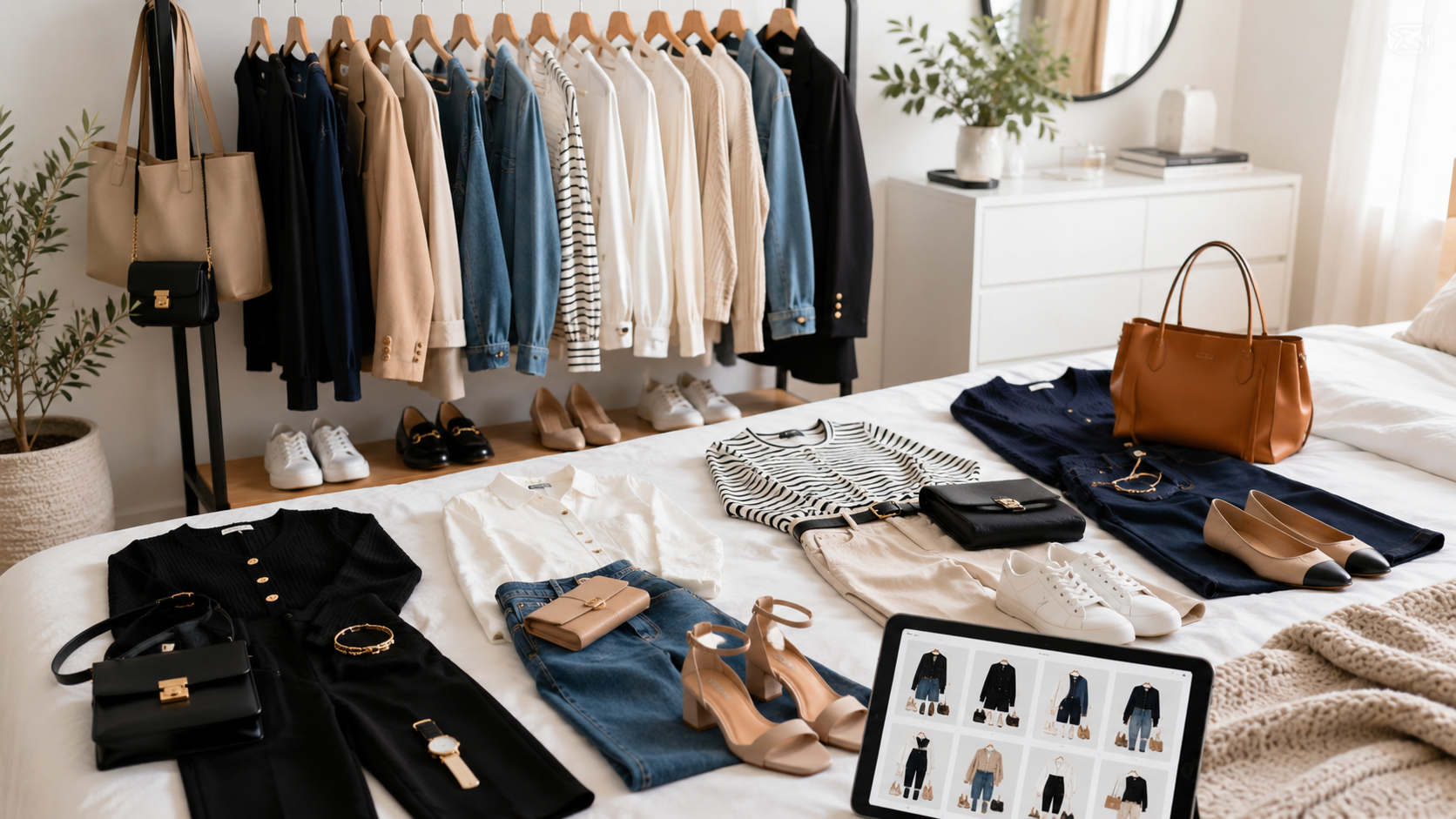
OpenWardrobe makes it easier to see what you already own and turn your clothes into actual outfits.
Instead of buying a new dress because your closet feels confusing, you can use OpenWardrobe to:
- Digitize your wardrobe
- Create event outfit ideas
- Save looks for future occasions
- Track what you’ve already worn
- Identify your most versatile pieces
- Spot gaps before shopping
- Plan outfits around weather, dress code, and venue
- Rewear favorite pieces in new ways
Your wardrobe probably has more potential than you think. It just needs to be visible, organized, and given a tiny bit of strategy.
Like all of us, honestly.
FAQ: Dressing for Summer Events Without Buying New Clothes
How do I dress for a summer event without buying a new outfit?
Start with the event’s dress code, venue, and weather. Then choose a base outfit from clothes you already own, such as a dress, trousers and blouse, skirt and top, or jumpsuit. Change the shoes, bag, jewelry, layer, or styling to make the outfit feel event-appropriate.
How can I rewear the same dress to multiple summer events?
Rewear the same dress by changing the accessories, shoes, bag, and layer. For example, wear it with flat sandals and a woven bag for a daytime event, heeled sandals and statement earrings for dinner, or a blazer and structured bag for a work event.
What should I wear to a summer wedding if I don’t want to buy a new dress?
Try restyling a dress, jumpsuit, skirt, or tailored separates you already own. Add dressier shoes, jewelry, and a clutch to make the outfit feel more formal. Avoid white unless requested, and make sure your outfit fits the wedding dress code and venue.
What should I wear to a casual summer party?
For a casual summer party, wear something comfortable but intentional, such as a sundress, linen pants and a tank, tailored shorts with a button-down, a midi skirt with a tee, or a casual jumpsuit. Add clean shoes and simple accessories to look put-together.
How do I make an outfit look dressier?
To make an outfit look dressier, change the shoes, add jewelry, choose a smaller or more structured bag, steam the clothes, add a belt, wear a blazer or wrap, and use a more intentional color palette. Polished details can make everyday pieces feel event-ready.
Can I wear the same outfit around the same people?
Yes. You can wear the same outfit around the same people. Rewearing clothes is normal, practical, and smart. To make it feel different, change the shoes, bag, jewelry, layer, hairstyle, or accessories.
What fabrics are best for summer events?
Good fabrics for summer events include linen, cotton, silk, satin, viscose, lyocell, poplin, lightweight denim, crepe, and fine knits. For hot outdoor events, choose breathable fabrics. For dressier events, choose fabrics with structure, drape, or subtle sheen.
What shoes should I wear to an outdoor summer event?
For outdoor summer events, choose shoes that work with the ground. Flat sandals, block heels, wedges, loafers, dressy flats, and espadrilles are often better than stilettos, especially on grass, gravel, or sand.
Final Thoughts
You do not need a new outfit for every summer event.
You need a small set of reliable pieces, a clear sense of the dress code, and a few styling tools that help your wardrobe stretch further. Change the shoes. Add a belt. Swap the bag. Use jewelry. Add structure. Repeat the dress. Rewear the trousers. Let your clothes do their jobs.
The best event outfit is not always the newest one.
It is the one that makes you feel comfortable, polished, and present enough to enjoy the party instead of mentally calculating the cost-per-wear of a panic purchase.
And honestly, that sounds like a much better summer.